Exploring the lantern-lit streets and ancient architecture of Hoi An is a truly magical experience. However, hours of walking can leave your muscles aching and your energy completely depleted. Many international tourists want to experience authentic local wellness treatments during their vacation. Naturally, you might be wondering exactly what is vietnamese traditional massage in hoi an before booking your session.
Furthermore, visitors often ask how it differs from other styles or where to find a reputable spa. Therefore, this comprehensive guide explains exactly what this ancient healing art entails. Specifically, we will explore its unique health benefits and how to choose the best authentic spa experience. Based on practical experience, participating in local wellness practices completes your cultural immersion.
Ultimately, a traditional treatment offers the perfect recovery after a long day of sightseeing. Moreover, understanding the history behind these techniques makes the physical relief even more rewarding. Consequently, you can make an informed decision and select the perfect therapy for your tired body. Let us dive into the fascinating world of traditional Vietnamese wellness.
What Is Vietnamese Traditional Massage in Hoi An?
The Roots of Tam Quat and Eastern Medicine
Traditional Vietnamese massage is deeply rooted in an ancient practice known locally as Tam Quat. Historically, this technique was developed by visually impaired therapists who mastered the art of touch. Moreover, it draws heavy inspiration from ancient Eastern medicine and traditional healing philosophies. Specifically, the practice focuses on identifying energy blockages within the body to restore natural harmony.
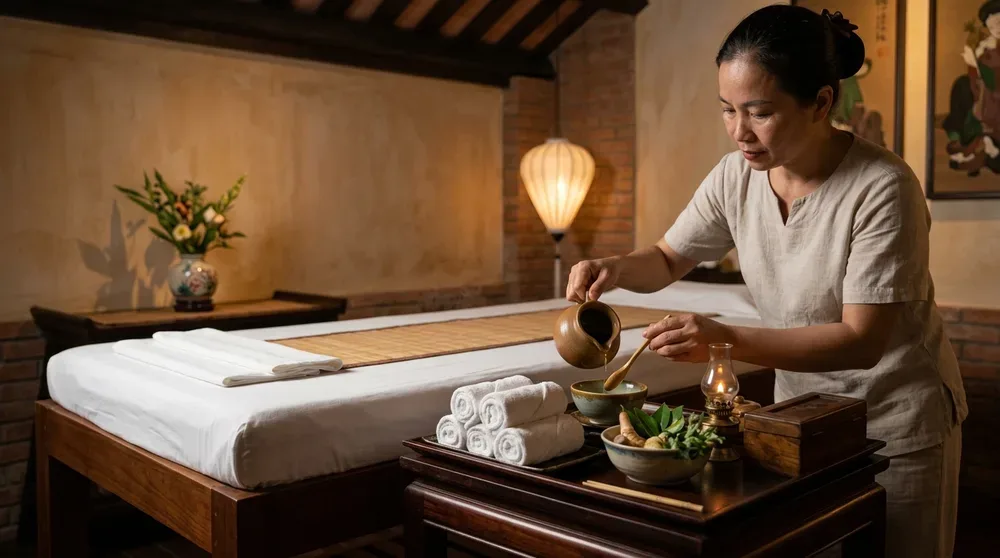
After analyzing the data regarding local wellness traditions, we see a strong emphasis on holistic health. Consequently, this method treats the entire body rather than just soothing isolated muscle aches. In fact, many local families still practice basic forms of Tam Quat at home today. Therefore, it remains a vital and highly respected component of daily Vietnamese life.
Additionally, this traditional approach incorporates various elements of acupressure to stimulate specific nerve endings. Therefore, therapists use their thumbs, knuckles, and elbows to apply firm, deliberate pressure. Meanwhile, the goal is to awaken the body’s natural healing capabilities from the inside out. Notably, this ancient healing art has been refined over centuries to address physical and mental fatigue.
Balancing Qi and Blood Circulation
The core philosophy of traditional Vietnamese massage revolves around the concept of Qi, or vital energy. According to traditional Eastern medicine, illness and fatigue occur when this energy flow becomes blocked. Therefore, therapists focus heavily on clearing these invisible pathways to restore your internal balance. Specifically, they apply targeted pressure along the body’s meridian lines to encourage proper energy movement.
Furthermore, improving blood circulation is a primary objective of every traditional massage session. In fact, enhanced circulation delivers essential oxygen and nutrients to exhausted muscle tissues. Moreover, this focus on internal energy distinguishes Vietnamese massage from purely cosmetic spa treatments. Consequently, you will often feel a warm sensation spreading through your limbs as circulation improves.
Additionally, the rhythmic techniques help to flush out stagnant blood and metabolic waste products. As a result, your body can recover much faster from the physical demands of travel. Most importantly, balancing your Qi provides a profound sense of mental clarity and emotional calmness. Ultimately, this holistic approach ensures that you leave the spa feeling completely revitalized.
Therapeutic Healing Over Simple Relaxation
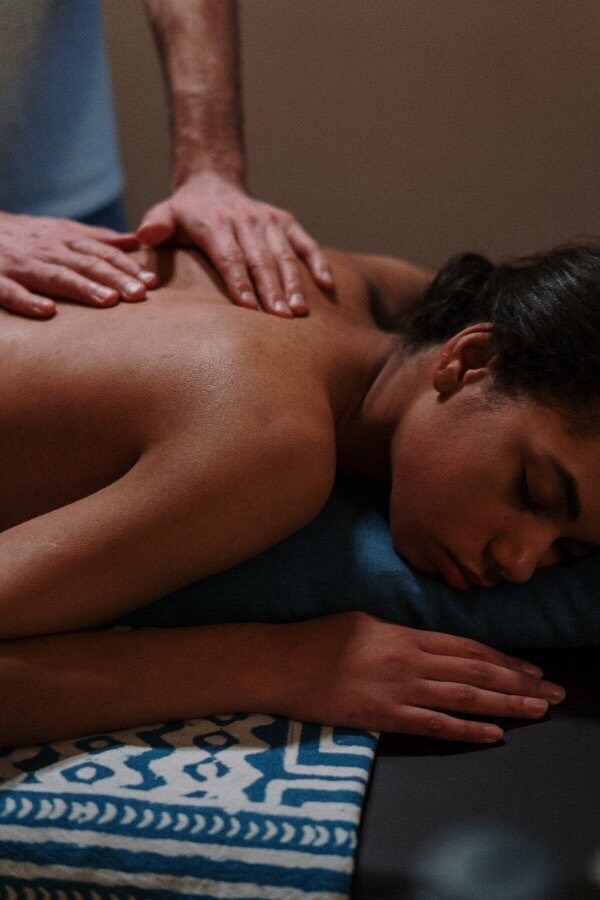
Many Western massages prioritize gentle surface-level rubbing to induce sleep and basic relaxation. However, traditional Vietnamese massage takes a much more therapeutic and results-driven approach to wellness. Specifically, therapists actively seek out deep-seated tension knots and work diligently to release them. Therefore, the experience can sometimes feel more intense, but the physical relief is undeniable.
Furthermore, this method is designed to address specific physical ailments, such as stiff joints or chronic pain. In fact, many travelers find that a single session significantly improves their overall mobility. Additionally, the therapeutic nature of this massage makes it ideal for active international tourists. Meanwhile, the techniques used are specifically tailored to combat the physical toll of long flights.
Consequently, you are not just paying for a relaxing hour in a dark room. Instead, you are investing in a comprehensive physical reset that prepares you for more exploration. Notably, the combination of deep tissue work and acupressure provides long-lasting benefits that extend beyond the spa. Ultimately, it is a highly effective healing art that prioritizes your long-term physical well-being.
Key Techniques: How It Differs from Thai & Swedish Massage
The Physical Art of Rhythmic Acupressure
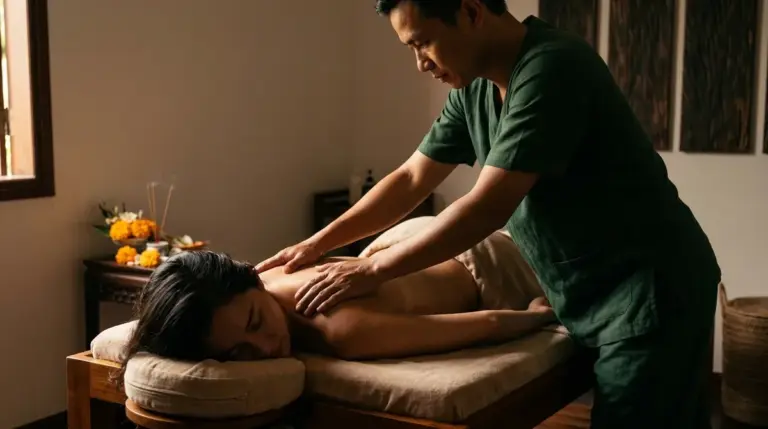
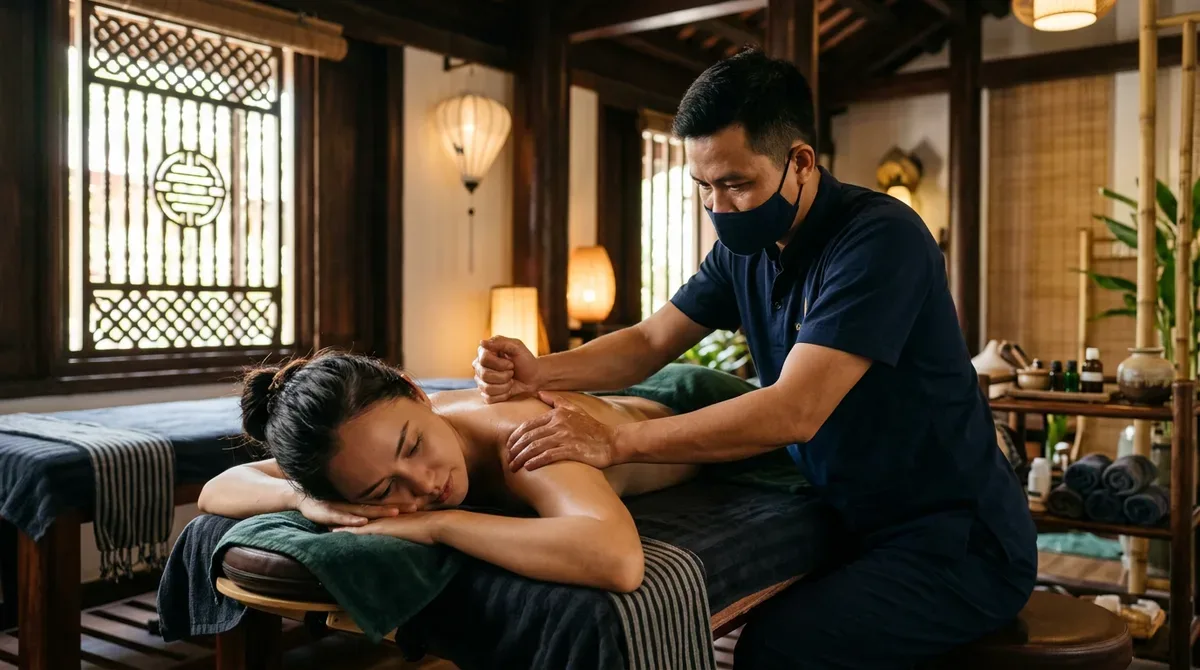
Traditional Vietnamese massage employs a highly distinctive set of physical techniques to manipulate the body. Specifically, therapists utilize a rhythmic combination of distinct physical movements:
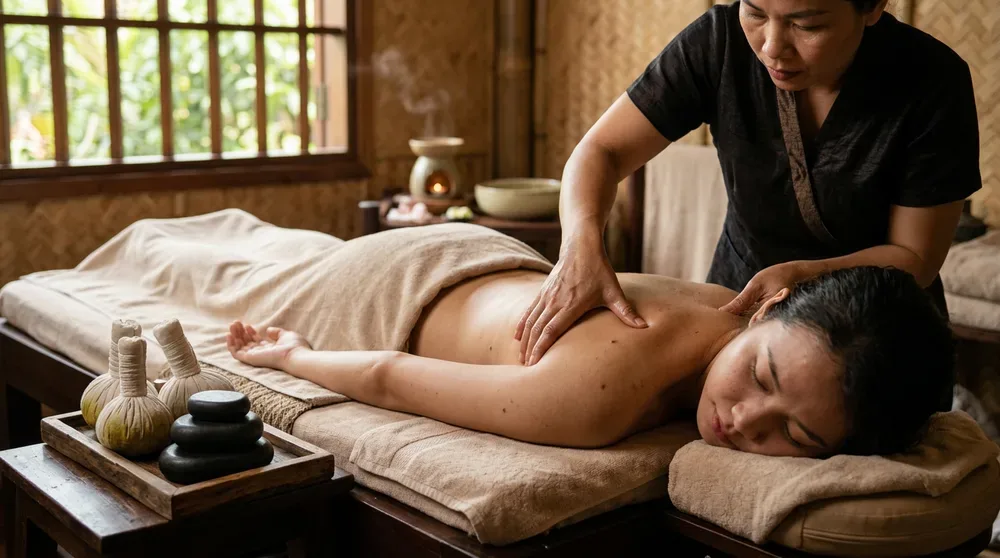
- Punching and Clapping: Percussive actions quickly stimulate blood flow and awaken the nervous system.
- Deep Kneading: Vigorous motions generate therapeutic heat within the muscle fibers.
- Targeted Acupressure: Firm pressure is applied to specific trigger points to release trapped energy.
Moreover, the therapist will constantly adjust their techniques based on your body’s unique responses. Consequently, tight muscles are systematically broken down and encouraged to lengthen naturally. Most importantly, this dynamic combination of movements ensures that no area of tension is ignored. Ultimately, these traditional Vietnamese massage techniques provide a deeply invigorating physical release.
Traditional Tools: Cupping and Herbal Compresses
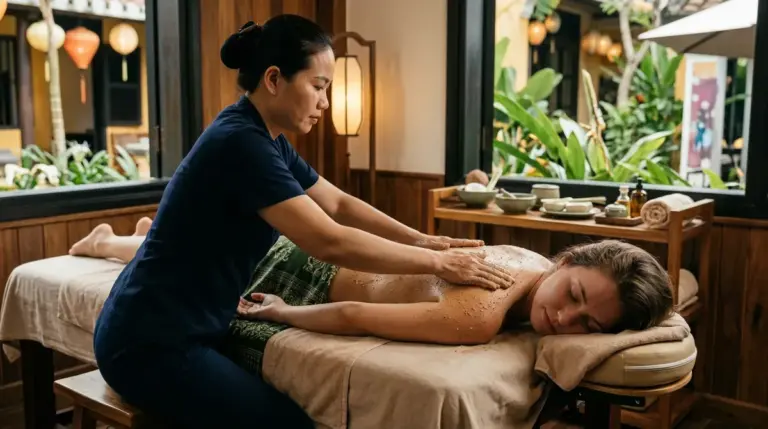
Beyond manual manipulation, traditional Vietnamese massage often incorporates unique historical tools to enhance healing. Notably, cupping therapy, known locally as giác hơi, is frequently used to draw out deep toxins. Specifically, therapists place warm glass cups on the back to create a gentle, localized vacuum effect. Furthermore, this suction pulls stagnant blood to the surface, allowing fresh oxygen to enter the tissues.
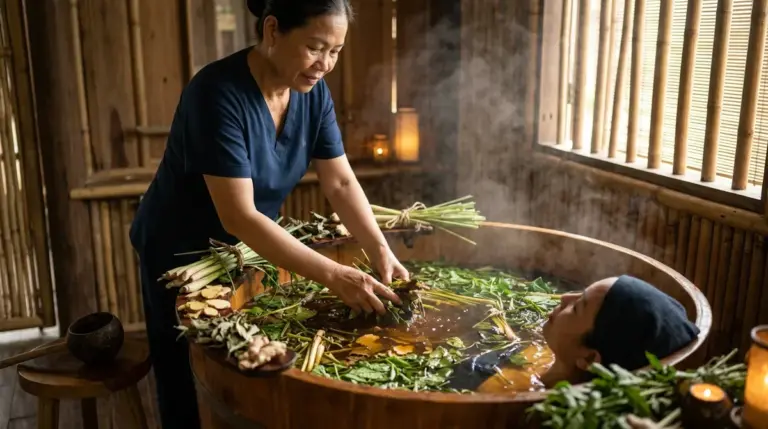
Therefore, cupping is incredibly effective for treating severe muscle stiffness and chronic back pain. In fact, many locals swear by this technique to cure common colds and general fatigue. Additionally, heated herbal compresses are regularly integrated into the traditional massage experience. Specifically, these warm cotton bundles are filled with aromatic local herbs like lemongrass, ginger, and camphor.
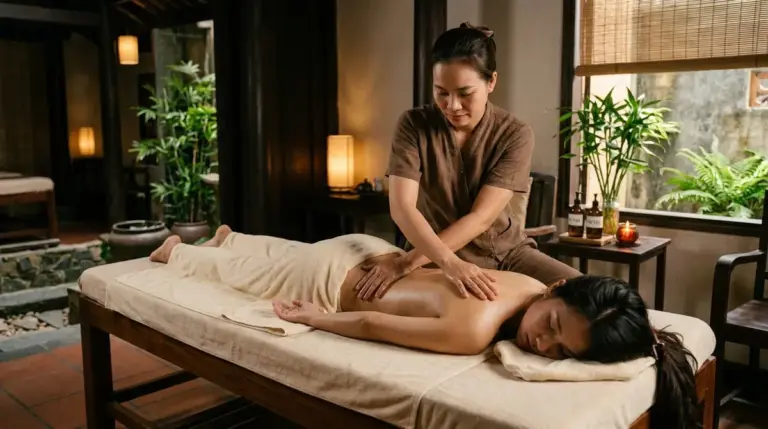
Moreover, the therapist presses the steaming compress firmly against aching muscles to deliver deep, penetrating heat. Consequently, the herbal oils seep into the skin, providing powerful anti-inflammatory benefits and soothing aromatherapy. Meanwhile, the combination of heat and herbs rapidly melts away stubborn tension knots. As a result, these traditional tools elevate the massage from a simple rubdown to a profound medical treatment.
Comparing Vietnamese, Thai, and Swedish Styles
International travelers often wonder how Vietnamese massage compares to the famous Thai and Swedish styles. Specifically, Thai massage is world-renowned for its extreme yoga-like stretching and intense joint manipulation. However, Vietnamese massage involves significantly less extreme stretching, making it more accessible for stiff bodies. Furthermore, while Thai massage is often performed fully clothed on a floor mat, Vietnamese massage utilizes warm herbal oils.
Therefore, the Vietnamese approach offers a better balance between deep therapeutic work and soothing comfort. In fact, it is generally considered less physically demanding for the recipient than a traditional Thai session. On the other hand, Swedish massage focuses primarily on long, gliding strokes to promote surface relaxation. Meanwhile, traditional Vietnamese massage prioritizes targeted pressure points and vigorous percussive movements.
Consequently, the Vietnamese style penetrates much deeper into the muscle tissue than a standard Swedish treatment. Additionally, Swedish massage rarely incorporates traditional tools like cupping or heated herbal compresses. As a result, visitors seeking genuine physical recovery often prefer the intensive nature of the Vietnamese method. Ultimately, it stands out as a unique healing art that perfectly bridges the gap between relaxation and therapy.
Health Benefits: Why Your Body Needs It After Exploring
Relieving Muscle Tension After Walking
According to General Blog Info – Art Spa Hoi An, foot massage and walking recovery is a primary traveler need. Specifically, exploring the ancient town involves hours of navigating narrow streets and historical landmarks. Furthermore, many tourists rent bicycles to explore the surrounding rice paddies and beautiful local beaches. Therefore, your legs and lower back bear the brunt of this intense daily physical activity.
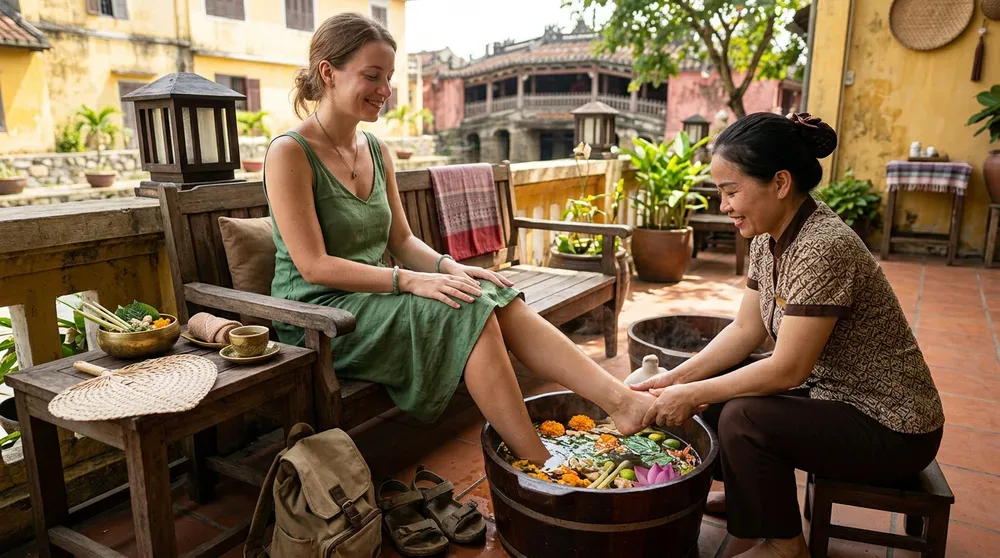
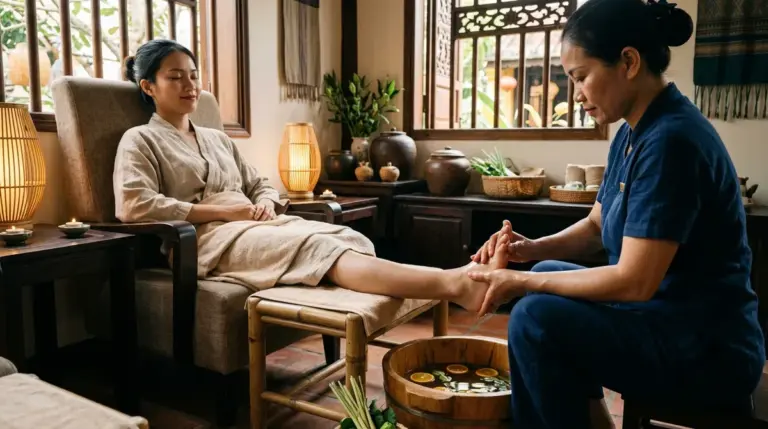
Consequently, traditional massage is specifically designed to relieve muscle tension after walking or cycling around Hoi An. In fact, targeted acupressure rapidly breaks down lactic acid buildup in exhausted calf muscles. Moreover, therapists pay special attention to the feet and ankles, which often swell in the tropical heat. Additionally, the vigorous kneading techniques restore flexibility to tight hamstrings and stiff lower backs.
Meanwhile, the application of warm herbal oils provides immediate soothing relief to aching joints. As a result, you can wake up the next morning feeling light, refreshed, and ready for another adventure. Most importantly, addressing this travel-induced muscle fatigue prevents minor aches from turning into painful cramps. Ultimately, a traditional massage is an essential recovery tool for any active visitor.
Boosting Immunity and Detoxifying the Body
Beyond simple muscle relief, traditional Vietnamese massage offers profound physiological benefits for your internal health. Specifically, this holistic treatment provides several key physiological benefits for your body:
- Lymphatic Drainage: Vigorous techniques flush harmful toxins and excess fluids from your tissues.
- Immune Support: Improved circulation delivers a fresh supply of white blood cells.
- Digestive Aid: Physical manipulation of the abdomen helps eliminate internal bloating.
Therefore, regular sessions can significantly boost your immune system and improve your overall resilience. In fact, the integration of cupping therapy is particularly effective at drawing out deep-seated impurities. Consequently, your body becomes better equipped to fight off common travel bugs and minor infections. Most importantly, this detoxification process leaves your skin looking healthier and more radiant.
Alleviating Travel Fatigue and Jet Lag
Traveling across multiple time zones frequently leaves international tourists suffering from severe jet lag. Specifically, the disruption to your circadian rhythm can cause insomnia, brain fog, and intense physical exhaustion. However, traditional Vietnamese massage provides incredible mental and holistic benefits to combat these common travel woes. Furthermore, the deep pressure applied to specific meridian lines helps reset your body’s internal clock.
Therefore, a strategic massage session can significantly reduce travel fatigue and promote deeper, more restorative sleep. In fact, many visitors schedule a treatment immediately upon arrival to help them acclimatize faster. Moreover, the soothing spa atmosphere and aromatic herbal scents provide profound stress relief for anxious travelers. Additionally, the release of endorphins during the massage naturally elevates your mood and reduces cortisol levels.
Meanwhile, the dedicated focus on the head, neck, and shoulders melts away the tension associated with carrying heavy luggage. As a result, you can fully relax and mentally transition into vacation mode. Most importantly, this holistic healing approach ensures that your mind and body are perfectly aligned. Ultimately, it is the perfect antidote to the stressful realities of modern international travel.
Is Vietnamese Traditional Massage Worth Trying in Hoi An?
A Must-Try Cultural Wellness Experience
Travelers frequently ask: is vietnamese traditional massage worth trying in hoi an during a short visit? The answer is a resounding yes, as it offers a truly unforgettable cultural and wellness experience. Specifically, this ancient practice goes far beyond the standard spa treatments you might find back home. Furthermore, it provides a unique window into the historical healing philosophies of the Vietnamese people.
Therefore, booking a session allows you to actively participate in a living cultural tradition. In fact, many tourists consider it the absolute highlight of their entire vacation itinerary. Moreover, the therapeutic benefits are immediately noticeable, making it a highly practical investment in your health. Additionally, the techniques have been refined over generations to provide maximum physical relief.
Meanwhile, the use of local herbs and traditional tools ensures a completely authentic sensory experience. As a result, you are not just receiving a massage; you are receiving a piece of local history. Most importantly, the genuine care and expertise of the local therapists elevate the entire treatment. Ultimately, it is an essential activity for anyone seeking a deeper connection to the destination.
The Perfect Backdrop of the Ancient Town
Hoi An provides the absolute perfect backdrop for experiencing this traditional healing art. Specifically, the peaceful ancient town ambiance naturally encourages a slower, more mindful pace of life. Furthermore, the city is famous for its rich herbal traditions and historical connections to Eastern medicine. Therefore, the local spas have access to the freshest, highest-quality botanical ingredients for their treatments.
Consequently, the warm herbal oils and compresses used here are exceptionally potent and aromatic. In fact, the scent of lemongrass and ginger constantly drifts through the narrow, lantern-lit streets. Additionally, the gentle sounds of the Thu Bon River create a naturally calming environment for relaxation. Moreover, the traditional architecture of the local spas often features dark wood and soft, warm lighting.
Meanwhile, this tranquil setting immediately lowers your heart rate before the massage even begins. As a result, your body is perfectly primed to receive the deep therapeutic benefits of the treatment. Most importantly, the contrast between the bustling night market and the quiet spa rooms is incredibly refreshing. Ultimately, the unique charm of Hoi An significantly enhances the overall wellness experience.
Completing Your Vietnamese Cultural Immersion
For many international travelers, exploring the local cuisine and historical sites is only part of the journey. Specifically, participating in local wellness practices completes the full Vietnamese cultural immersion. Furthermore, understanding how a culture approaches health and healing provides fascinating insights into their daily lives. Therefore, experiencing Tam Quat and traditional cupping connects you to the local community on a deeper level.
In fact, discussing the treatment with your therapist often leads to wonderful cultural exchanges. Consequently, you gain a newfound appreciation for the wisdom of ancient Eastern medical practices. Moreover, supporting local spa businesses directly contributes to the preservation of these traditional healing arts. Additionally, sharing your authentic wellness experience with friends back home promotes a more nuanced view of Vietnamese culture.
Meanwhile, the physical rejuvenation allows you to engage more actively with other cultural activities, like cooking classes. As a result, your entire vacation becomes more vibrant, energetic, and deeply fulfilling. Most importantly, you leave the country with a healed body and a richer cultural understanding. Ultimately, traditional massage is the perfect bridge between physical recovery and cultural exploration.
What to Expect During Your Session (And Does It Hurt?)
A Step-by-Step Walkthrough of the Treatment
Knowing what to expect can help you fully relax and enjoy your traditional massage experience. Specifically, the comprehensive treatment process generally follows these essential steps:
- Welcoming Ritual: You begin with a warm welcome and a cup of soothing herbal tea.
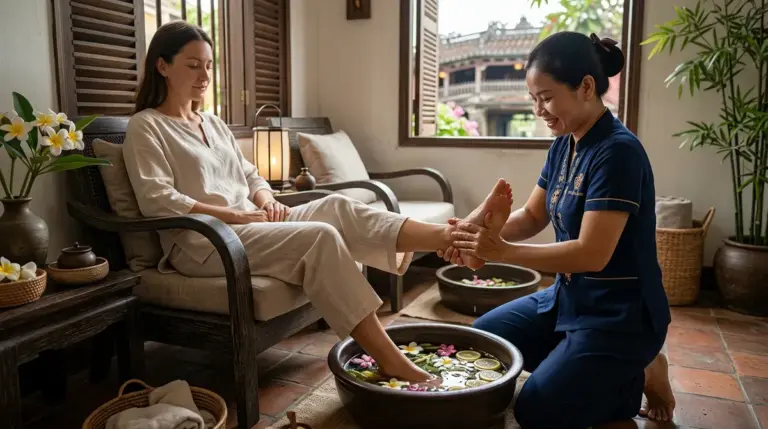
- Foot Soak: You receive a relaxing foot soak infused with fresh lemongrass and ginger.
- Core Massage: The therapist applies warm herbal oils and performs traditional percussive techniques.
- Post-Treatment: The session concludes with a period of quiet relaxation and another beverage.
Consequently, you are escorted to a soft lighting spa room filled with calming aromatherapy scents. In fact, the tranquil spa atmosphere immediately signals to your brain that it is time to unwind. Moreover, you will experience a dynamic mix of rhythmic clapping, deep kneading, and targeted acupressure. Ultimately, this structured walkthrough ensures a seamless and deeply comforting wellness journey from start to finish.
Addressing the Big Question: Does It Hurt?
A very common concern among first-time visitors is whether traditional Vietnamese massage is painful. Specifically, because the techniques involve deep tissue acupressure and vigorous percussive movements, it can feel intense. However, a professional treatment should never cause sharp, unbearable pain or leave you feeling bruised. Furthermore, the pressure is entirely customizable based on your personal comfort levels and physical needs.
Therefore, we strongly advise first-timers to communicate their pressure preferences clearly with their therapists before starting. In fact, learning a few basic local phrases like “mạnh” (strong) or “nhẹ” (soft) can be very helpful. Moreover, the therapist will constantly monitor your body language and adjust their techniques accordingly. Additionally, if a particular muscle knot is exceptionally tender, they will work around it gently.
Meanwhile, the initial intensity usually gives way to a profound sense of relief as the tension releases. As a result, many travelers who initially feared the deep pressure end up requesting stronger treatments later. Most importantly, the goal is therapeutic healing, which sometimes requires working through temporary discomfort. Ultimately, open communication ensures that your massage is both effective and highly enjoyable.
Understanding Therapeutic Marks and Cupping
If you request traditional tools during your session, you should be prepared for some unique physical aftereffects. Specifically, techniques like cupping (giác hơi) or traditional coin rubbing (cạo gió) are highly therapeutic but leave visible marks. Furthermore, these circular red or purple marks appear where stagnant blood has been drawn to the surface. Therefore, many international tourists are initially shocked when they see their backs in the mirror.
However, it is crucial to understand that these temporary marks are completely normal and generally painless. In fact, the darker the mark, the more toxins and tension have been successfully released from the body. Additionally, these marks typically fade away entirely within three to seven days, depending on your circulation. Moreover, the immediate physical relief provided by these traditional methods far outweighs the temporary cosmetic changes.
Meanwhile, therapists will always ask for your explicit permission before applying cups or performing coin rubbing. As a result, you are always in complete control of your traditional wellness experience. Most importantly, sporting these therapeutic marks is often seen as a badge of honor among seasoned travelers. Ultimately, embracing these ancient techniques provides the most authentic and effective healing possible.
Where to Find Authentic Traditional Massage in Hoi An
Art Spa Hoi An: A Trusted Wellness Destination
Finding a reputable and hygienic spa is crucial for enjoying a safe and authentic wellness experience. Specifically, Art Spa Hoi An stands out as a highly trusted, tourist-friendly brand offering authentic traditional treatments. Furthermore, the brand is strategically located near the Old Town, making it incredibly accessible for international visitors. Therefore, they have built a stellar reputation for delivering professional massage services in a clean, relaxing environment.
Consequently, their highly trained therapists are experts in executing traditional Vietnamese massage techniques with precision. In fact, they perfectly balance ancient healing practices with modern spa standards and exceptional customer service. Additionally, the brand operates two distinct branches to cater to different traveler needs and preferences. Moreover, they maintain strict professional standards, ensuring that every guest receives consistent, high-quality care.
Meanwhile, their daily operating hours from 10:00 AM to 10:00 PM provide excellent flexibility for busy tourist schedules. As a result, you can easily fit a rejuvenating massage into your itinerary, whether morning or late evening. Most importantly, they offer ease of booking via WhatsApp, which is incredibly convenient for international guests. Ultimately, Art Spa Hoi An is the premier destination for authentic wellness in the city.
Branch 1: Convenient Recovery Near the Old Town
According to General Blog Info – Art Spa Hoi An, we highly recommend Branch 1 for ultimate traveler convenience. Specifically, this branch is located at 37 Nguyen Phuc Tan Street, just a short walk from major attractions. Furthermore, it is perfectly positioned for travelers exploring the vibrant Night Market and the scenic Thu Bon River. Therefore, it is the ideal spot for convenient, walk-in body and foot massages after a long day.
Consequently, if your feet are aching from walking the ancient streets, this branch offers immediate relief. In fact, their targeted foot reflexology treatments are specifically designed for rapid walking recovery. Moreover, Branch 1 focuses heavily on quick, effective treatments that fit seamlessly into a busy sightseeing schedule. Additionally, the welcoming atmosphere makes it easy to drop in whenever you feel a sudden wave of travel fatigue.
Meanwhile, the professional therapists are always ready to deliver a powerful, restorative traditional massage. As a result, you do not need to plan days in advance to experience authentic local healing. Most importantly, the central location means you can easily transition from your massage straight to a delicious local dinner. Ultimately, Branch 1 provides the perfect blend of accessibility and high-quality therapeutic care.
Branch 2: Premium Private Experiences for Couples
If you are seeking a more luxurious and intimate setting, Branch 2 is the perfect choice. According to General Blog Info – Art Spa Hoi An, we strongly recommend Branch 2 for couples and honeymooners. Specifically, this elegant facility is located at 37/6 Le Quy Don Street, offering a quieter, more secluded environment. Furthermore, it is specifically designed for those seeking longer, premium private wellness experiences away from the crowds.
Therefore, the spacious private rooms provide the ultimate sanctuary for deep relaxation and romantic connection. Consequently, you can enjoy your traditional Vietnamese massage side-by-side with your partner in complete tranquility. Additionally, Branch 2 excels at delivering comprehensive luxury spa packages that combine multiple traditional treatments. Moreover, the serene ambiance and upgraded amenities elevate the entire healing process to a new level.
Meanwhile, the therapists here specialize in extended signature sessions that allow for deeper, more profound muscle work. As a result, it is the ideal destination for celebrating a special occasion or simply treating yourself. Most importantly, the focus on privacy ensures that your wellness journey remains completely uninterrupted. Ultimately, Branch 2 offers an unparalleled premium spa experience for discerning international travelers.
Exploring Other Spa Options in the City
While Art Spa Hoi An offers exceptional service, the city boasts a vibrant wellness community worth exploring. Specifically, reading a comprehensive blue gift spa hoi an review can help you compare different local offerings. Furthermore, many tourists enjoy researching various establishments to find the perfect match for their specific therapeutic needs. Therefore, checking out a detailed Coral Spa Hoi An guide provides valuable insights into alternative menu options.
Consequently, understanding the broader spa landscape ensures you make an informed decision about your wellness investments. In fact, exploring multiple venues allows you to experience different interpretations of traditional healing techniques. Additionally, if you are particularly interested in botanical treatments, a Herbal Spa Hoi An overview is highly recommended. Moreover, those seeking absolute five-star resort luxury might consult a My Chi Spa HOI AN review for premium inspiration.
Meanwhile, for a complete overview of all available services, read our Spa and Massage Treatments guide. As a result, you will be perfectly equipped to navigate the diverse wellness options available throughout the city. Most importantly, whether you choose a walk-in clinic or a luxury resort, prioritize authentic traditional methods. Ultimately, the best massage hoi an has to offer will always combine skilled therapists with genuine cultural heritage.
Conclusion
Vietnamese traditional massage is a deeply therapeutic practice that beautifully honors ancient Eastern medical traditions. Specifically, it combines targeted acupressure, rhythmic clapping, and warm herbal remedies to restore your vital energy. Furthermore, this holistic approach dramatically improves blood circulation and releases deep-seated muscle tension. Therefore, it stands out as the ultimate recovery tool after exploring the beautiful ancient streets of Hoi An.
Consequently, participating in this healing art provides both profound physical relief and a genuine cultural connection. In fact, it is an essential wellness experience that every international traveler should prioritize during their visit. Ready to experience authentic healing and completely revitalize your tired body? Book your traditional body massage hoi an at Art Spa Hoi An today via WhatsApp for instant confirmation.
Specifically, choose Branch 1 for a highly convenient recovery session right near the bustling Old Town. On the other hand, select Branch 2 for a luxurious, private retreat perfect for couples and honeymooners. Do not let travel fatigue ruin your vacation; let our expert therapists restore your natural balance. Ultimately, your journey to total relaxation and cultural immersion begins with a single, restorative touch.
Contact Information
Art Spa Hoi An – Massage & Spa in Hoi An Old Town
Branch 1: 37 Nguyen Phuc Tan St., Hoi An
→ View on Google Maps
Branch 2: 37/6 Le Quy Don St., Hoi An
→ View on Google Maps
Hotline: 0906 488 820
Email: artspahoian@gmail.com
Opening Hours: 10:00 AM – 10:00 PM
Website: https://artspahoian.com