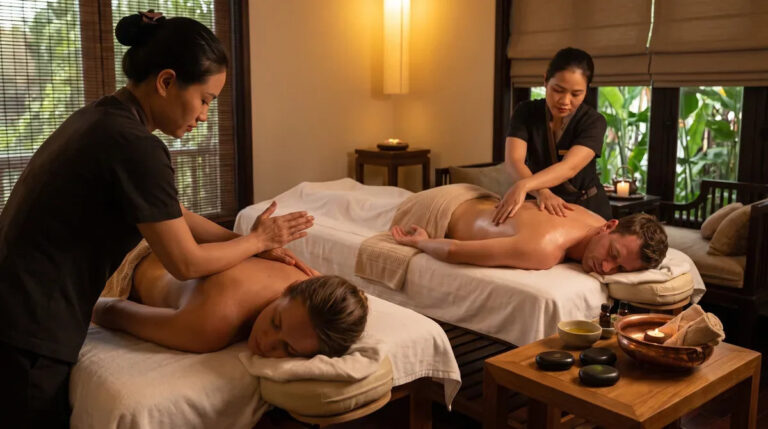
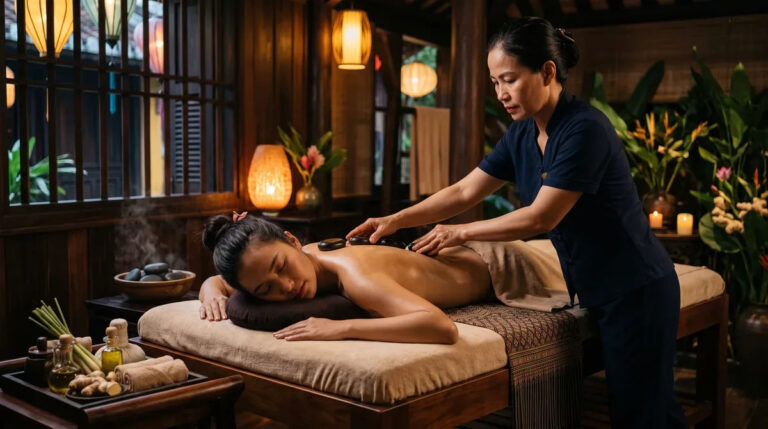
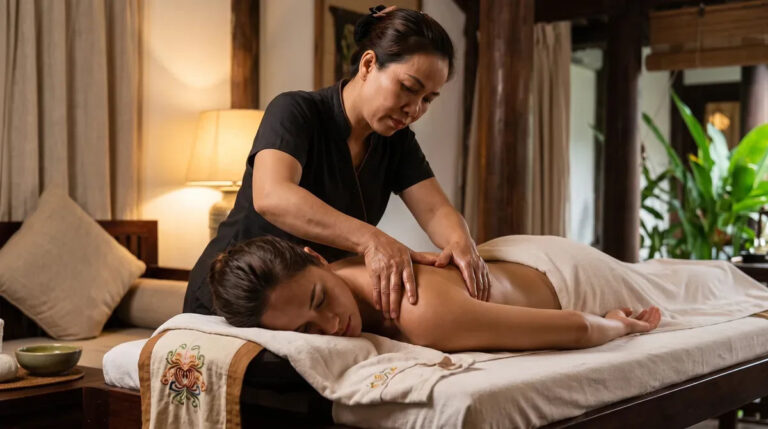
For anyone who has experienced the soothing power of an oil massage, understanding the intricacies behind oil massage techniques explained: from palms to elbows can deepen both appreciation and benefit. At the renowned Art Spa in Hội An, these techniques aren’t just about luxury—they’re rooted in tradition, physiology, and intentional touch.
Quick answer: oil massage uses four main tools: palms for long flowing strokes, fingers and thumbs for detail, forearms for broad, deep pressure and elbows for precise, deeper work.
Using a combination of gentle glides, deep pressure, and relaxing strokes, oil massage uses the lubricating glide of oil to reduce friction and help you feel relaxed. But not all oil massage is the same. Each technique—from soft strokes with the palms to targeted compression using elbows—serves a different purpose for your body.
In this in-depth guide, we’ll break down the most common oil massage techniques used by professional therapists, explain their benefits, and show why Art Spa is a leader in delivering both relaxation and wellness through touch.

What Is Oil Massage?
Oil massage is a form of manual therapy where massage therapists use various types of natural oils (infused with or without essential oils) to smooth their movements over the skin. This not only enhances tactile sensation but also allows deeper manipulation of muscle tissues without discomfort.
Oil massage can be performed using:
- Hands and palms
- Fingers and thumbs
- Forearms
- Elbows
The combination of these tools allows for precise pressure adjustments, making the massage adaptable for relaxation and muscle tension relief.
Benefits of Oil Massage Techniques
- Helps ease muscle stiffness and soreness
- Warm, flowing strokes that feel invigorating
- Leaves skin feeling refreshed
- Supports stress relief and calm
- A relaxing wind-down before sleep
- Hydrates and nourishes the skin
- A looser, more flexible feel
Different techniques cater to different wellness goals. For instance, Swedish massage prioritizes long gliding strokes for relaxation, while deep tissue massage uses elbows and forearms to ease deep muscle tension.
Common Oil Massage Techniques Explained
| Technique | Body Tool Used | Purpose & Benefits |
|---|---|---|
| Effleurage | Palms and fingers | Warm-up stroke to spread oil and relax muscles |
| Petrissage | Palms and thumbs | Kneading to ease muscle tension |
| Friction | Thumbs and fingertips | Deep, circular movements to work into tight spots |
| Forearm Glide | Inner forearm | Broad, soothing pressure for deeper muscle groups |
| Elbow Pressure | Elbows | Focused pressure for tight knots and stubborn tension |
These techniques are used in different combinations based on the style of massage and the client’s physical condition.
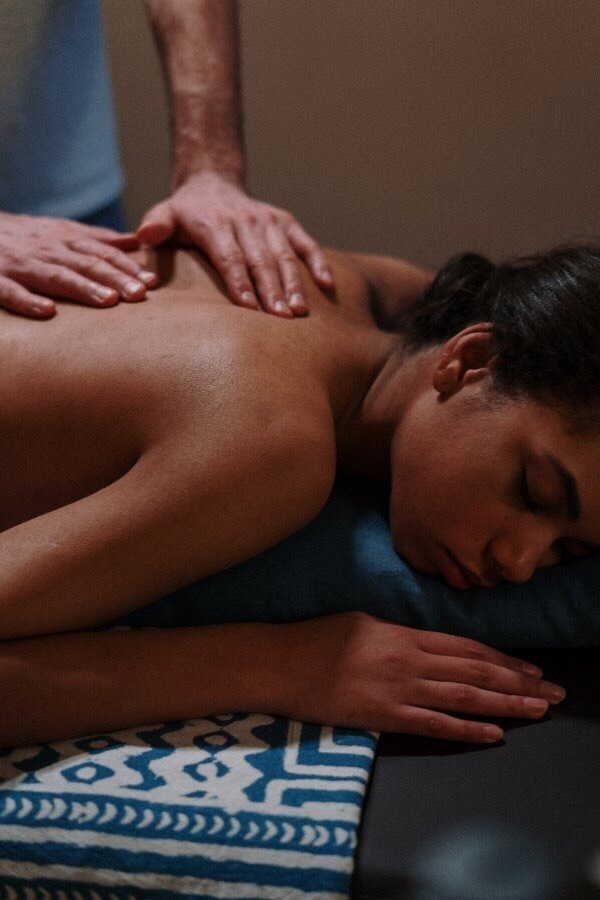
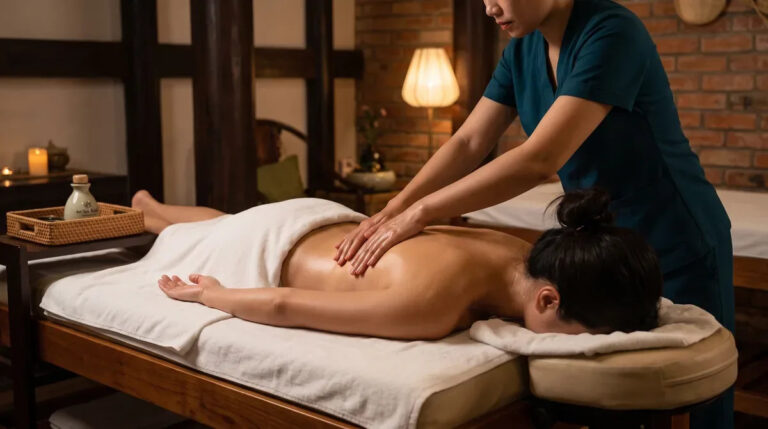
The Power of the Palms
Palm-based techniques are typically used for gentle pressure and surface work. The large surface area of the palm allows therapists to:
- Apply even pressure
- Cover wide muscle groups (like the back or thighs)
- Warm up tissues before deeper work
At Art Spa, palm glides are a signature part of both Swedish and Vietnamese-style massages, helping you settle into a calm, restful state.

When Fingers and Thumbs Come Into Play
The use of thumbs and fingers allows for:
- Pinpointed pressure on specific trigger points
- Effective work on smaller muscle groups (e.g., the neck, wrists, feet)
- Gentle circular motion for friction technique
In combination with essential oils like lavender, eucalyptus, or ginger, finger work can also stimulate reflex points and support aromatherapy outcomes.
The Forearm: Graceful and Deep
Using the forearm in massage is a technique that originated in Hawaiian Lomi Lomi massage but is now commonly adopted by therapists worldwide.
Benefits include:
- Long, flowing strokes over large muscle areas
- Deep yet comfortable pressure
- Fewer breaks in motion, creating a meditative rhythm
At Art Spa, this technique is often used in long, flowing full body massages designed to melt tension from the shoulders down to the calves.
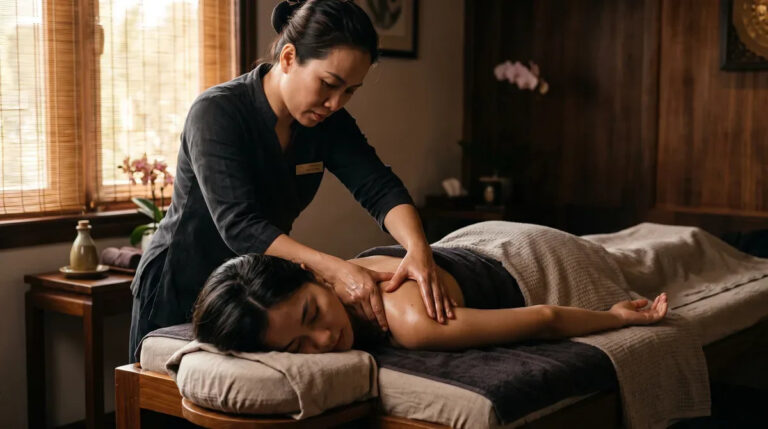
The Elbow: Precision Power
Elbows are the therapist’s most powerful tool. Used carefully and with control, elbows can:
- Work into deep-seated knots
- Ease tight muscle areas
- Ease tension in the back, shoulders, and hips
Elbow techniques are ideal for:
- Deep tissue massage
- Sports massage
- Guests with muscle overuse or posture-related tension
That’s why many wellness seekers, including athletes and frequent travelers, request elbow-inclusive sessions at Art Spa to resolve stubborn discomfort.
Comparing Massage Styles by Technique Use
| Massage Style | Primary Tools Used | Ideal For |
|---|---|---|
| Swedish Massage | Palms, fingers | Relaxation, stress relief |
| Deep Tissue Massage | Elbows, forearms | Firm pressure, deep muscle tension |
| Aromatherapy Massage | Fingers, palms | Calming scents, relaxation |
| Reflexology | Thumbs, fingers | Pressure-point foot work, relaxation |
| Vietnamese Traditional Massage | Palms, elbows, stretches | Traditional stretches, muscle relaxation |
Each style offered at Art Spa is designed with client wellness in mind and can be personalized based on your needs.
Essential Oils: Enhancing Technique with Scent and Relaxation
The oils used in massage aren’t just for glide—they add scent and atmosphere to the experience.
Popular essential oils used at Art Spa include:
- Lavender – Calming floral scent, popular for winding down
- Lemongrass – Fresh, citrusy scent
- Rosemary – Herbal, invigorating scent
- Peppermint – Cool, refreshing scent
- Ylang Ylang – Sweet floral scent, often used for relaxation
Every session begins with a quick consultation to choose the ideal oil blend for your body and mood.
What to Expect During an Oil Massage at Art Spa
- Arrival & Consultation
You’ll be welcomed with a smile and soothing tea. A brief conversation ensures the massage meets your goals (relaxation, tension relief, a lighter touch). - Herbal Foot Soak
Warm water infused with ginger and lemongrass prepares your body for touch. - Customized Oil Application
Your chosen oil is gently warmed and applied using long effleurage strokes. - Technique Variation
Therapists switch between palms, fingers, forearms, and elbows depending on your tension level. - Post-Massage Snack & Tea
You’ll be treated to Vietnamese herbal tea and traditional sweets for a grounding finish.
Oil Massage Combination Ideas
Oil massage techniques can be combined with other treatments in many ways. The ideas below are for reference only and are not fixed packages with set durations or prices. For current Art Spa treatments and prices, see the spa menu or our luxury spa packages.
| Idea | What it combines |
|---|---|
| Deep pressure and foot care | Deep tissue oil massage with foot reflexology |
| Aromatherapy and skincare | Aromatherapy massage with a herbal facial |
| A short travel break | Back, neck and shoulder oil massage with a foot soak |
| Forearm flow and local treats | Forearm-focused full body massage with Vietnamese treats |
| Gentle Swedish and tea | Swedish oil massage with a tea ritual |
Pressure and oil preference can always be adjusted with your therapist.
Who Should Try Oil Massage with Elbow Techniques?
Elbow-inclusive massage is ideal for:
- People with tight shoulders, hips, or back
- Those who often feel tense
- Active travelers with sore-feeling muscles
- Anyone who prefers firm to deep pressure
Art Spa therapists are trained to apply elbows with sensitivity and respect to ensure a comfortable experience.
Guest Testimonials
“The use of elbows was incredibly effective. I walked in with tight hips, and left feeling brand new. Art Spa is truly world-class.”
— Marcus R., Germany
“The combination of palm strokes and essential oils was so soothing. The pressure was perfect.”
— Claire T., France
“Art Spa’s techniques are beyond relaxing—they’re relaxing. I highly recommend the Flow & Glow package!”
— Hà Linh, HCMC
Prices and Booking
At Art Spa Hoi An, the Relaxing Body Massage (oil massage) is 577,000 VND for 60 minutes, 677,000 VND for 90 minutes and 877,000 VND for 120 minutes. For firmer pressure, see our Deep Tissue Massage, or browse the full spa menu. Read more about the benefits of a full body oil massage.
Book at Art Spa (37 Nguyen Phuc Tan St.) or Art Spa 2 (37/6 Le Quy Don St.), open daily 10:00–22:00. Message us on WhatsApp +84 906 488 820 to reserve your time.
Frequently Asked Questions
What is the difference between palm and elbow techniques?
Palms give gentle, even pressure over wide areas and warm up the tissues. Elbows give precise, deeper pressure to break up deep-seated knots.
Is elbow massage painful?
Elbow techniques are used with control and suit people who prefer firm to deep pressure. Tell your therapist your preference and the pressure can be adjusted.
Which oils are used in an oil massage?
Popular essential oils include lavender, lemongrass, rosemary, peppermint and ylang ylang. Every session begins with a quick consultation to choose the right blend.
Book a Relaxing Body Massage or a Luxury Spa Package. Related reading: benefits of a full body oil massage.
Ready to book? Choose Art Spa (37 Nguyen Phuc Tan St., Hoi An) or Art Spa 2 (37/6 Le Quy Don St., Hoi An). Open daily 10:00–22:00. Book on WhatsApp or call 0906488820.
Contact Information
Art Spa
Our Branches
Art Spa 1
37 Nguyen Phuc Tan St., Hoi An, Da Nang
Art Spa 2
37/6 Le Quy Don St., Hoi An, Da Nang
Email: artspahoian@gmail.com
Hotline: 0906 488 820
Website: Artspahoian.com
Opening Hours: 10 AM – 10 PM
Now that you’ve seen oil massage techniques explained: from palms to elbows, you can better appreciate how much skill and purpose goes into every movement. Each stroke is designed not just to soothe, but to relax, refresh, and restore calm.
Whether you’re visiting Hội An for a short trip or you’re a local looking to invest in well-being, Art Spa offers an unforgettable journey through touch, scent, and serenity. Let your body rest, let your mind wander, and let skilled hands guide you to deep relaxation.
This article is for general information only and is not medical advice. If you have a health condition, are pregnant or are unsure whether massage suits you, please check with your doctor first.