The art of facial cleansing with Vietnamese herbal products is not just a modern spa trend—it’s the continuation of centuries-old Vietnamese traditions that marry beauty, health, and nature. In a world filled with synthetic skincare solutions, the use of local herbs and plants offers a gentle yet powerful alternative that nourishes the skin from the outside in.
Quick answer: Vietnamese herbal facial cleansing uses plants such as lemongrass, green tea, turmeric, lotus and rice bran in a gentle steam, cleanse, exfoliate, massage and mask routine. It is a relaxing, traditional ritual; sensitive skin should be patch-tested first.
In Vietnam, facial cleansing has always been about purity and balance. Long before the arrival of imported skincare brands, women and men in rural and urban areas alike used herbs, roots, and flowers gathered from gardens or markets. Today, spas such as Art Spa bring inspiration from these traditions into a comfortable setting.
1. A Brief History of Vietnamese Herbal Beauty Rituals
The roots of herbal facial cleansing in Vietnam stretch back generations:
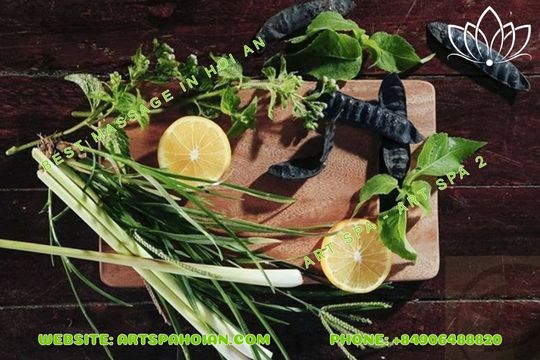
- In the countryside, grandmothers taught their daughters to boil water with lemongrass, ginger, and pomelo leaves for facial steaming.
- Rice bran, a byproduct of rice milling, was used as a natural exfoliant.
- Turmeric paste, mixed with honey, was traditionally applied to brighten the complexion.
- Lotus petals were gathered at dawn for use in soothing skin infusions.
These traditions were passed down orally, evolving over time but always grounded in the belief that nature provides everything the skin needs.
2. Why Herbal Cleansing Can Feel Gentle
Many Vietnamese herbs are traditionally valued for their aroma and gentle feel. Compared with harsh cleansers, herbal cleansers are often described as:
- Gentle on the skin when used correctly
- Traditionally used to nourish the skin
- Traditionally used to calm the skin
- Fresh and light in feel
At Art Spa, these ideas inspire the facial cleansing experience, aiming for skin that feels refreshed and balanced.
3. Key Vietnamese Herbal Ingredients for Facial Care
| Herb or Plant | Skin Benefit | Common Use in Facials |
|---|---|---|
| Green Tea | Traditionally used for a fresh feel | Cleansers, masks |
| Turmeric | Traditionally used for a brighter look and calming feel | Masks, exfoliants |
| Lemongrass | Refreshing and aromatic | Steam, toners |
| Lotus Petals | Hydrating, calming | Masks, toners |
| Pandan Leaves | Soothing, aromatic | Cleansing base, steam blends |
| Rice Bran | Gentle exfoliation | Scrubs, cleansing pastes |
| Pomelo Peel | Fresh aroma, light feel | Steam, facial water |
4. The Step-by-Step Herbal Facial Cleansing Ritual
Step 1: Herbal Steam Infusion
A pot of boiled water infused with lemongrass, green tea, and pomelo peel releases aromatic vapors. The steam opens pores, softens dead skin cells, and relaxes facial muscles.
Step 2: Gentle Herbal Cleanser
This combination cleanses and is traditionally used for a brighter, calmer look.
Step 3: Exfoliation
Ground green tea leaves or crushed lotus seeds provide mild scrubbing to remove impurities without scratching the skin.
Step 4: Facial Massage
A traditional Vietnamese facial massage can feel relaxing and warm the skin.
Step 5: Herbal Mask
Depending on skin type, a cooling lotus petal and aloe mask may be applied for hydration, or a turmeric and yogurt mask for brightening.
Step 6: Toning and Hydration
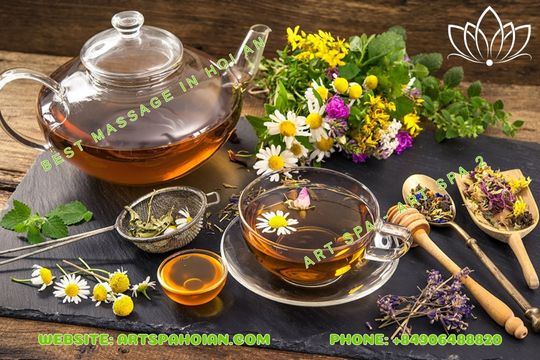
Rose or chamomile floral water restores the skin’s pH, followed by a light application of herbal-infused oil.
5. Customizing Herbal Cleansing for Different Skin Types
- Oily Skin – Green tea + lemongrass to balance oil and tighten pores
- Dry Skin – Lotus petals + honey for deep hydration
- Sensitive Skin – Turmeric + chamomile to calm redness
- Combination Skin – Mixed herbal blend targeting both oily and dry areas
6. Benefits Beyond the Skin
Vietnamese herbal facials offer more than a clean face:
- Herbal aromas can help you feel relaxed
- Warm steam relaxes tense facial muscles
- Mindful rituals encourage slower breathing and relaxation
- Cultural connection to traditional wellness practices
7. Modern Enhancements at Art Spa
Art Spa combines tradition with innovation:
- Facial cleansing tools suited to your skin
- Herbal-infused serums tailored to individual skin needs
- Temperature-controlled steamers for maximum comfort
- Herbal ingredients chosen with care
8. DIY Vietnamese Herbal Facial Cleansing at Home
For those who want to try at home, keep it gentle: patch-test each ingredient on your inner arm first and skip any that irritate. Avoid herbal masks if you have allergies or broken or inflamed skin. Let steam cool and keep your face at a safe distance to avoid burns, and note that turmeric can stain.
- Boil water with lemongrass and pomelo peel for steam
- Mix rice bran and honey into a paste for cleansing
- Use ground green tea as a gentle exfoliant once a week
- Apply turmeric and yogurt mask for 10–15 minutes
- Finish with rose water spray for hydration
9. Client Experiences at Art Spa
- “The lemongrass steam made me feel like I was in my grandmother’s kitchen, but the luxury setting made it even more special.” – Ms. Hoa, Hoi An
- “My skin felt alive—clean, soft, and glowing.” – Ms. Lan, Hanoi
- “It’s skincare and cultural heritage in one treatment.” – Mr. Minh, Ho Chi Minh City
10. Why Herbal Cleansing is a Sustainable Choice
Vietnamese herbal facial care is also eco-friendly:
- Ingredients are plant-based and can be sourced locally
- Minimal packaging compared to commercial products
- Supports local farmers and herbalists
11. Conclusion
each step is designed to cleanse, refresh and relax the skin—while soothing the mind.
By choosing treatments at Art Spa, clients enjoy the best of both worlds: authentic Vietnamese herbal recipes and modern spa comforts. It’s a beauty ritual that goes beyond appearance, connecting you to a heritage of wellness that has stood the test of time.
Frequently Asked Questions
What herbs are used in Vietnamese facial cleansing?
Common ones include lemongrass, green tea, turmeric, lotus petals, pandan leaves, rice bran and pomelo peel.
Is herbal facial cleansing suitable for sensitive skin?
Many people find it gentle, but plants can still irritate some skins. Tell your therapist about allergies or sensitivities, and patch-test ingredients before trying them at home.
How often can I do an herbal facial?
There is no fixed rule. Many people enjoy a spa facial now and then and a light home routine once a week. Stop if your skin feels irritated.
Related: Facial Treatment in Hoi An · Spa services and prices
Ready to book? Choose Art Spa (37 Nguyen Phuc Tan St., Hoi An) or Art Spa 2 (37/6 Le Quy Don St., Hoi An). Open daily 10:00–22:00. Book on WhatsApp or call 0906488820.
Contact Information
Art Spa
Our Branches
Art Spa 1
37 Nguyen Phuc Tan St., Hoi An, Da Nang
Art Spa 2
37/6 Le Quy Don St., Hoi An, Da Nang
Email: artspahoian@gmail.com
Hotline: 0906 488 820
Website: Artspahoian.com
Opening hours: 10 AM – 10 PM